

Goddess Bible Study episode 2. Live Tuesday nights at 7pm EST.
email goddessbiblestudy@gmail.com if you would like to participate in the discussion.
We will discuss the idea that Eve in the Garden of Eden represents the traditions of the Israelite goddesses and their qedesha priestesses being shut down by the new authority of the Yahweh cult.
The divorce of the mother goddess was the final and most important step in the transition from paganism to monotheism, which is religion with no divine mother.
The Garden of Eden story is thought to date back to around the 6th century BC and the reforms of Israelite king Josiah who smashed the Asherah poles, banned the qedesha priestesses, and attempted to bring an end to their goddess traditions.
Eve comes from the same era when the Greek writer Hesiod penned the story of Pandora, the first woman, who was the source of all mankind’s troubles according to the Greeks.
King Josiah is hailed by the Biblical writers as one of the few kings who was truly dedicated to Yahweh and worked to establish a Yahweh-alone religion and nation.
Josiah was the historical king of Judah from approximately 640 to 609 B.C. His reign in Jerusalem appears in 2 Kings 22–23 and 2 Chronicles 34–35. This generation of Yahwists is thought to be responsible for the laws of Deuteronomy, when the qedesha were formally banned.
There shall be no whore [qedesha] of the daughters of Israel, nor a sodomite [qadesh] of the sons of Israel. Thou shalt not bring the hire of a whore, or the price of a dog, into the house of the LORD thy God for any vow: for even both these are abomination unto the LORD thy God.
-Deuteronomy 23:17-18 KJV
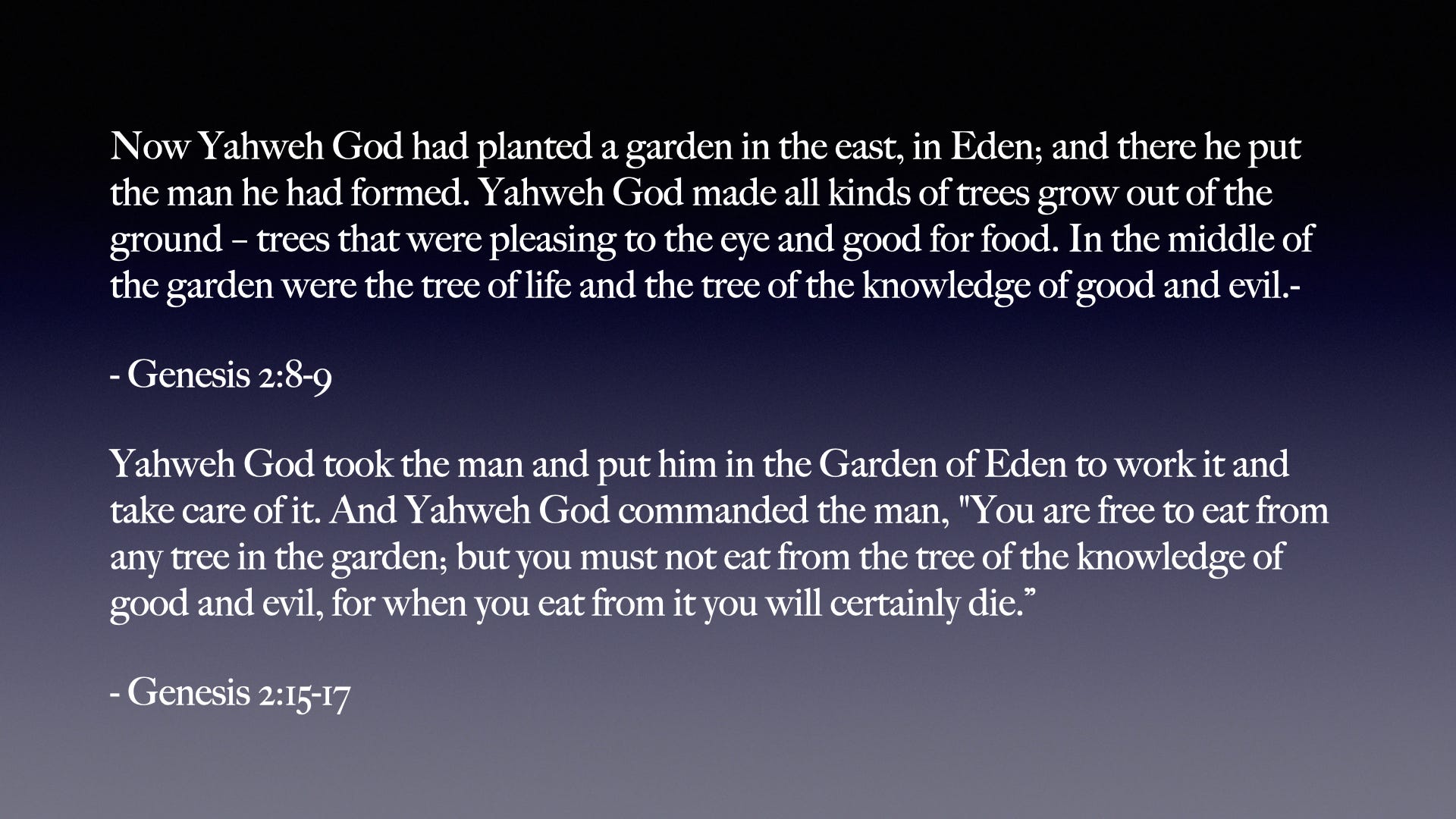
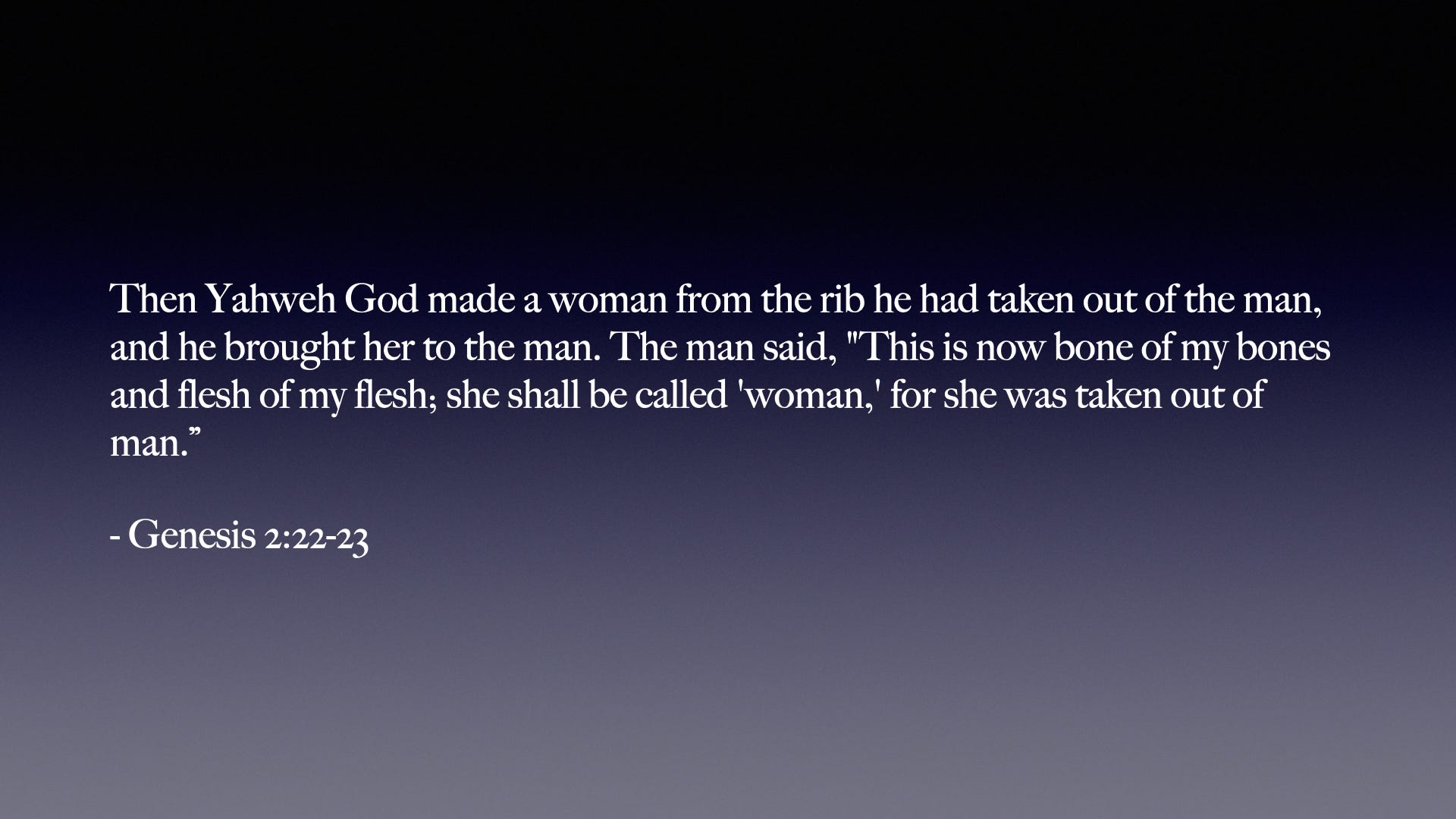
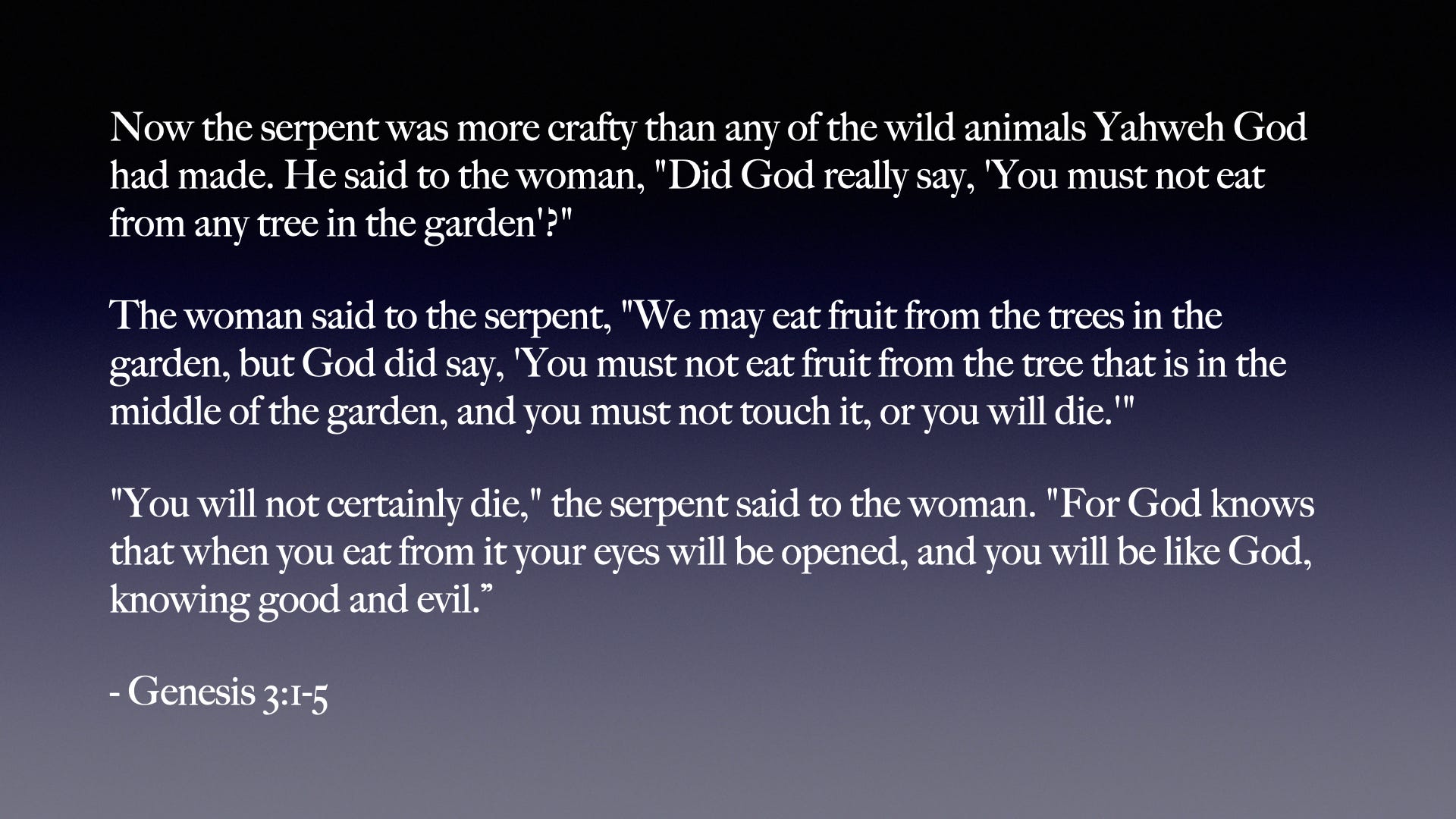
All the symbolism in the Garden of Eden can be related to goddess traditions being inverted; the garden, the serpent (arguably most important here), sacred plant medicines, midwifery and childbirth, female monogamy, and patriarchal rule.
Great article Ed, thanks for sharing!